

Chapter One Ingredient
Pu-erh Tea: An Ancient Elixir for Modern Connoisseurs
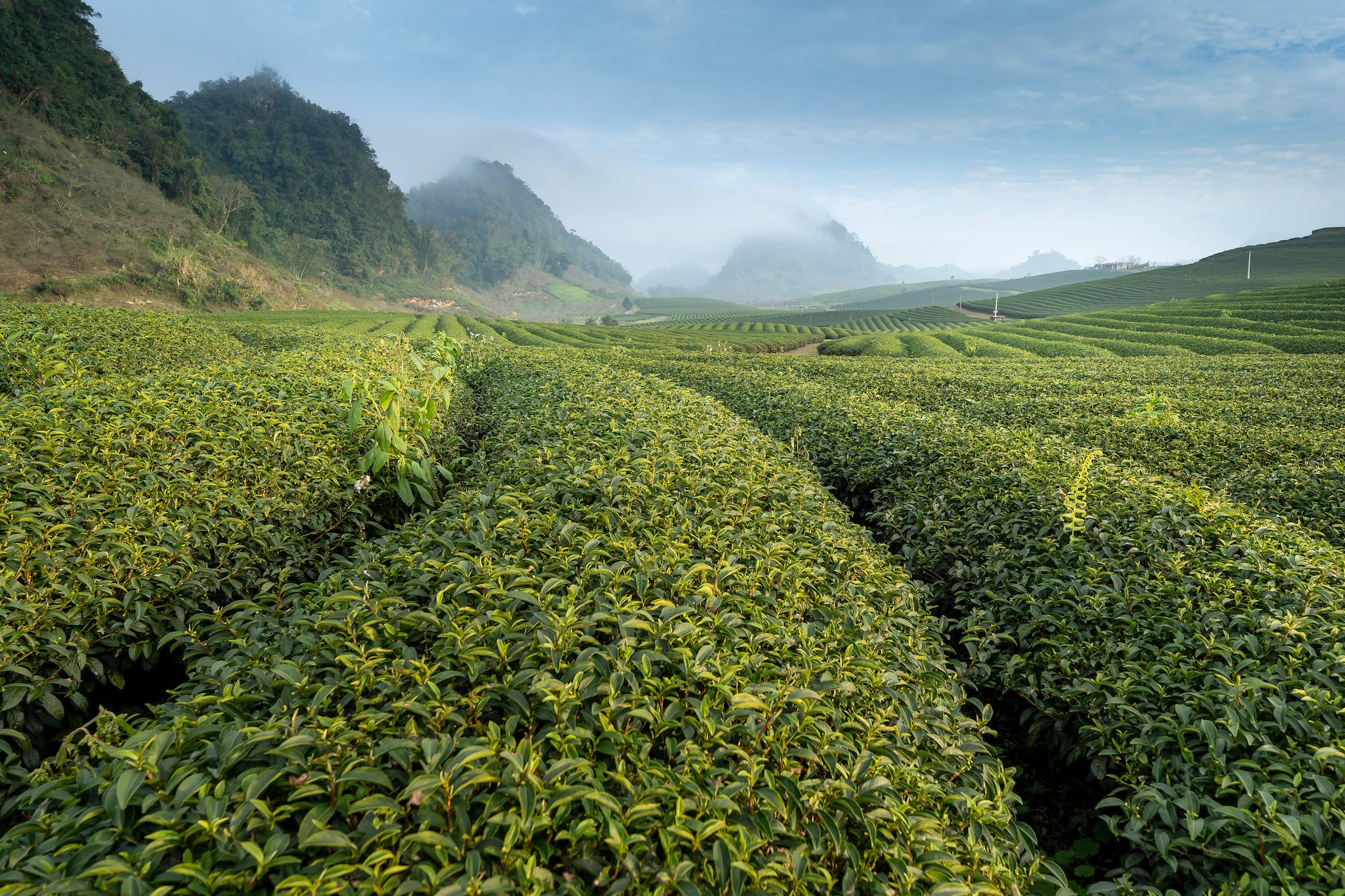
Deep within the rolling mountains of Yunnan Province in southwestern China, a unique and ancient tea tradition has been quietly flourishing for centuries. Pu-erh tea, a fermented and aged variety, has long been prized for its earthy flavor, complex aroma, and potential health benefits. As tea connoisseurs worldwide discover the allure of this fascinating brew, we invite you to embark on a journey to explore the history, processing, and enjoyment of Pu-erh tea.
The Origins of Pu-erh Tea:
The history of Pu-erh tea can be traced back to the Eastern Han Dynasty (25-220 CE) when the tea trade flourished along the Tea Horse Road—a network of ancient trade routes that connected China to Tibet and other parts of Southeast Asia. The tea leaves were harvested from wild tea trees in Yunnan Province and compressed into cakes or bricks for easy transport. Over time, the tea leaves would ferment and age, developing a rich, earthy taste and aroma that set Pu-erh tea apart from other varieties.
Processing Pu-erh Tea: Raw vs. Ripe
There are two main types of Pu-erh tea: raw (Sheng) and ripe (Shou). The processing of these teas varies, resulting in different flavors and characteristics.
- Raw Pu-erh (Sheng): Raw Pu-erh tea is made from sun-dried tea leaves that are carefully handpicked from ancient tea trees. After drying, the leaves are compressed into various shapes, such as cakes, bricks, or tuo cha (small, bird’s nest-shaped cakes). The tea is then stored and allowed to age naturally, with the flavor profile evolving over time. Raw Pu-erh tea can be aged for many years, with some connoisseurs considering teas aged 10 to 30 years to be particularly desirable.
- Ripe Pu-erh (Shou): Ripe Pu-erh tea was developed in the 1970s as a faster alternative to the lengthy aging process of raw Pu-erh. During the production of ripe Pu-erh, the tea leaves undergo an accelerated fermentation process called “wet piling” (also known as “wo dui”), which involves piling the leaves in a humid environment for several weeks. This process imparts a unique, earthy flavor to the tea and darkens the leaves, giving the tea a rich, reddish-brown color when brewed.
Brewing and Enjoying Pu-erh Tea:
Pu-erh tea is traditionally brewed using a method called gongfu cha, which involves using a small teapot or gaiwan (a lidded bowl) and multiple short infusions. This method allows the complex flavors of Pu-erh tea to be savored and appreciated over several infusions. It is also important to “rinse” the tea leaves by quickly steeping them in hot water and discarding the first infusion. This step helps to wash away any impurities and “awakens” the tea leaves for the subsequent infusions.
As you embark on your Pu-erh tea journey, remember that each tea cake or brick is a unique work of art, crafted by skilled tea masters and shaped by the passage of time. From the ancient tea forests of Yunnan Province to your teacup, Pu-erh tea is an invitation to explore a rich tapestry of history, culture, and taste.
Pu-erh tea, known for its unique fermentation process and potential health benefits, may also offer advantages for the skin. Although more research is needed to confirm these claims, some of the suggested benefits of Pu-erh tea for the skin include:
- Antioxidant properties: Pu-erh tea contains a high concentration of antioxidants, such as catechins, theaflavins, and thearubigins, which can help fight free radicals and oxidative stress. By reducing oxidative stress, these antioxidants may help prevent premature aging and maintain skin elasticity, giving the skin a youthful and radiant appearance.
- Anti-inflammatory effects: The polyphenols found in Pu-erh tea are believed to possess anti-inflammatory properties. These compounds may help soothe inflammation and redness associated with various skin conditions, such as acne, eczema, and psoriasis.
- Improved circulation: Regular consumption of Pu-erh tea may help improve blood circulation. Good circulation ensures that essential nutrients and oxygen reach the skin cells, promoting a healthy complexion and faster healing of damaged skin.
- Detoxification: Pu-erh tea is often praised for its potential detoxifying effects on the body. By helping to flush out toxins, Pu-erh tea may contribute to clearer, healthier-looking skin.
- Antibacterial properties: Some studies suggest that the catechins in tea, including Pu-erh tea, may exhibit antibacterial effects against acne-causing bacteria, such as Propionibacterium acnes. This could potentially help reduce the frequency and severity of acne breakouts.
It is important to note that individual results may vary, and the benefits of Pu-erh tea for the skin will depend on a range of factors, including genetics, overall health, and lifestyle choices. As always, it’s best to consult with a healthcare professional before making any significant changes to your diet or skincare routine.
 ClearerJourney